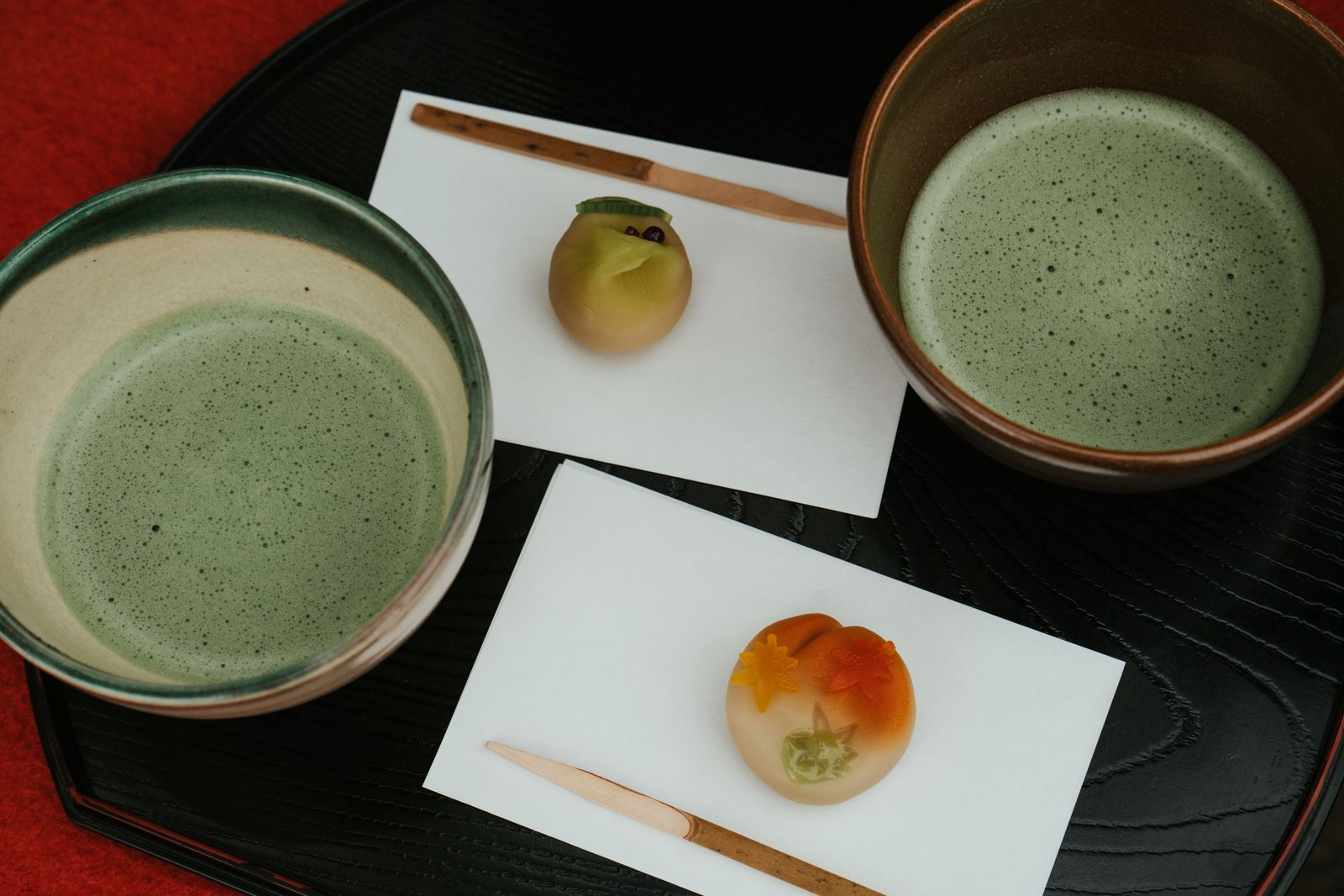
Japanese Tea Ceremony: A Guide to Chanoyu, Meaning and Etiquette
Before the first sip of matcha, a guest may notice the light falling across tatami, a single flower in an alcove, or the quiet sound of water heating in a kettle. Nothing seems hurried. Yet almost everything has been considered.
The Japanese tea ceremony is sometimes described as a ritual of perfect manners or a lesson in Zen simplicity. Both descriptions miss something important. At its heart, chanoyu is an encounter: a host creates a particular moment for guests, using tea, space, objects and attention.
Understanding that encounter opens a window onto Japanese aesthetics without reducing an entire culture to a handful of beautiful words. Here is how tea developed, what happens in the room and what to notice if you experience it in Japan.
What Is the Japanese Tea Ceremony?
The Japanese tea ceremony, commonly called chanoyu or sadō (the way of tea), is a carefully prepared gathering in which a host serves powdered green tea, or matcha, to guests. It is not simply a refined way of making a drink. The setting, utensils, seasonal details, movements and exchanges all help shape the experience.
The word “ceremony” can make it sound like a performance watched from a distance. In practice, a tea gathering is a meeting between people. A host prepares a space and offers hospitality; guests respond through attention, appreciation and a small set of shared courtesies. Formal procedures exist, but they serve the encounter rather than replace it.
Not every tea experience follows the same format. A brief introductory session may focus on one bowl of matcha and a sweet. A more formal gathering can include a meal, different kinds of tea and carefully timed transitions. Both can offer a meaningful introduction when their context is explained.
A History Shaped by People, Not a Single Moment
Tea came to Japan through exchanges with China and was consumed in different settings over many centuries. In medieval Japan, powdered tea gained prominence among Buddhist communities and, later, in social and cultural gatherings. The practices now associated with chanoyu developed gradually rather than appearing fully formed at one historical moment.
Murata Jukō is often remembered in accounts of a more restrained approach to tea. Takeno Jōō and, in the sixteenth century, Sen no Rikyū are also central to the history of wabi-cha, a style that gave particular value to modest spaces, carefully chosen objects and the quality of the meeting itself. These figures were part of an evolving tradition, not isolated inventors of an unchanging ritual.
After Rikyū, tea practices continued to develop through different schools and lineages, each preserving and evolving its own procedures and teaching traditions. What a visitor encounters today will depend on the host, the school, the occasion and the level of formality.
Wabi, Hospitality and the Beauty of Restraint
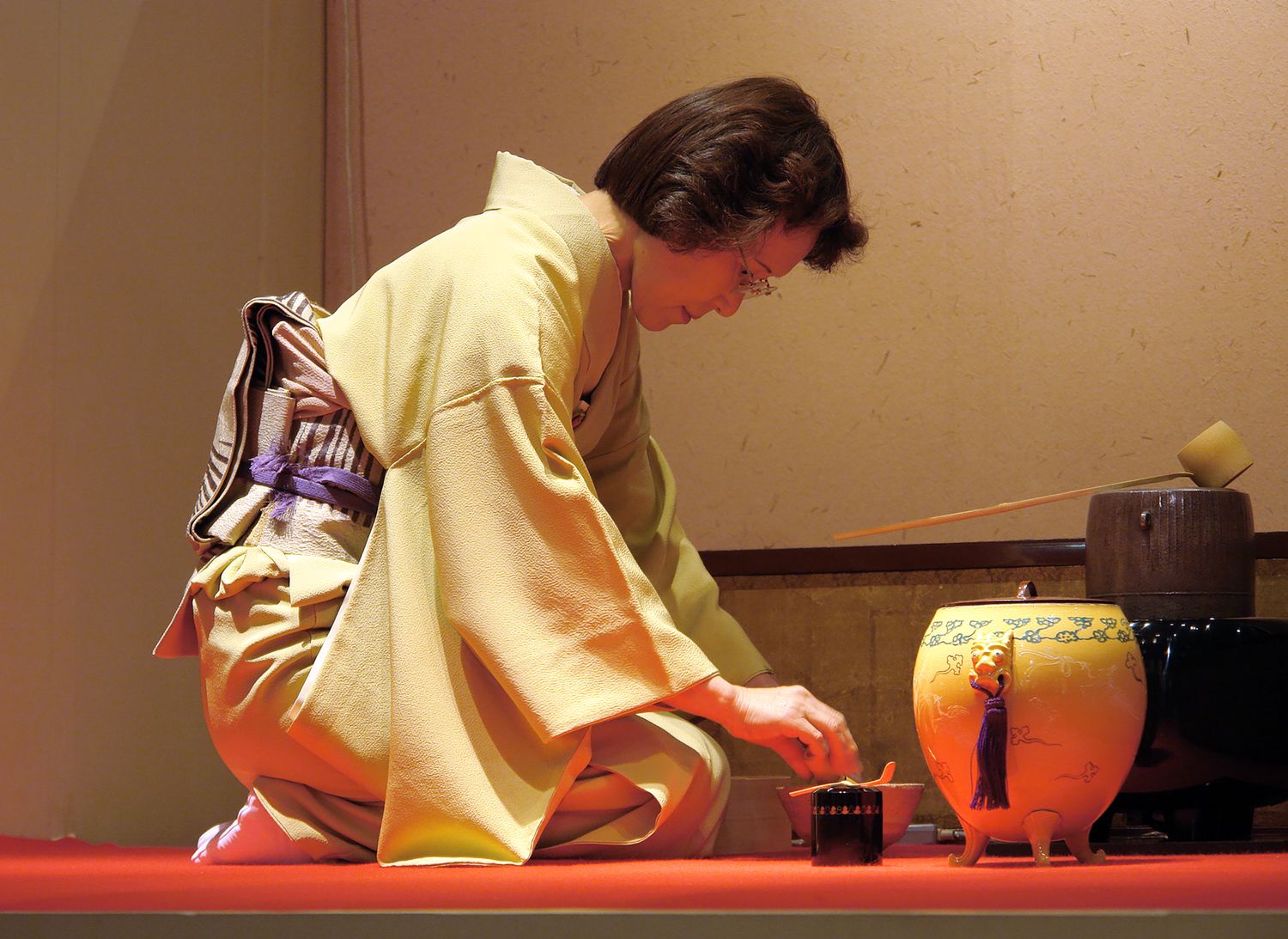
Tea is often linked to wabi-sabi, but the phrase can flatten several ideas into a single decorative style. Historically, wabi and sabi have different histories. In tea culture, wabi is especially useful for understanding how modest materials and a small, quiet room can create richness without extravagance.
Consider a ceramic bowl whose glaze pools unevenly, a bamboo scoop shaped by hand, or a single flower arranged for the season. Their appeal is not necessarily that they are imperfect. Rather, each object asks to be noticed on its own terms: its material, making, age and relationship to the occasion.
The host’s preparation is an expression of omotenashi, or attentive hospitality, but it is not a promise that every wish will be anticipated. Much of the care lies in decisions guests may barely see: selecting a bowl suited to the weather, arranging the room, choosing a sweet, or preparing the water before anyone arrives.
Inside a Tea Room: Space, Light and Objects
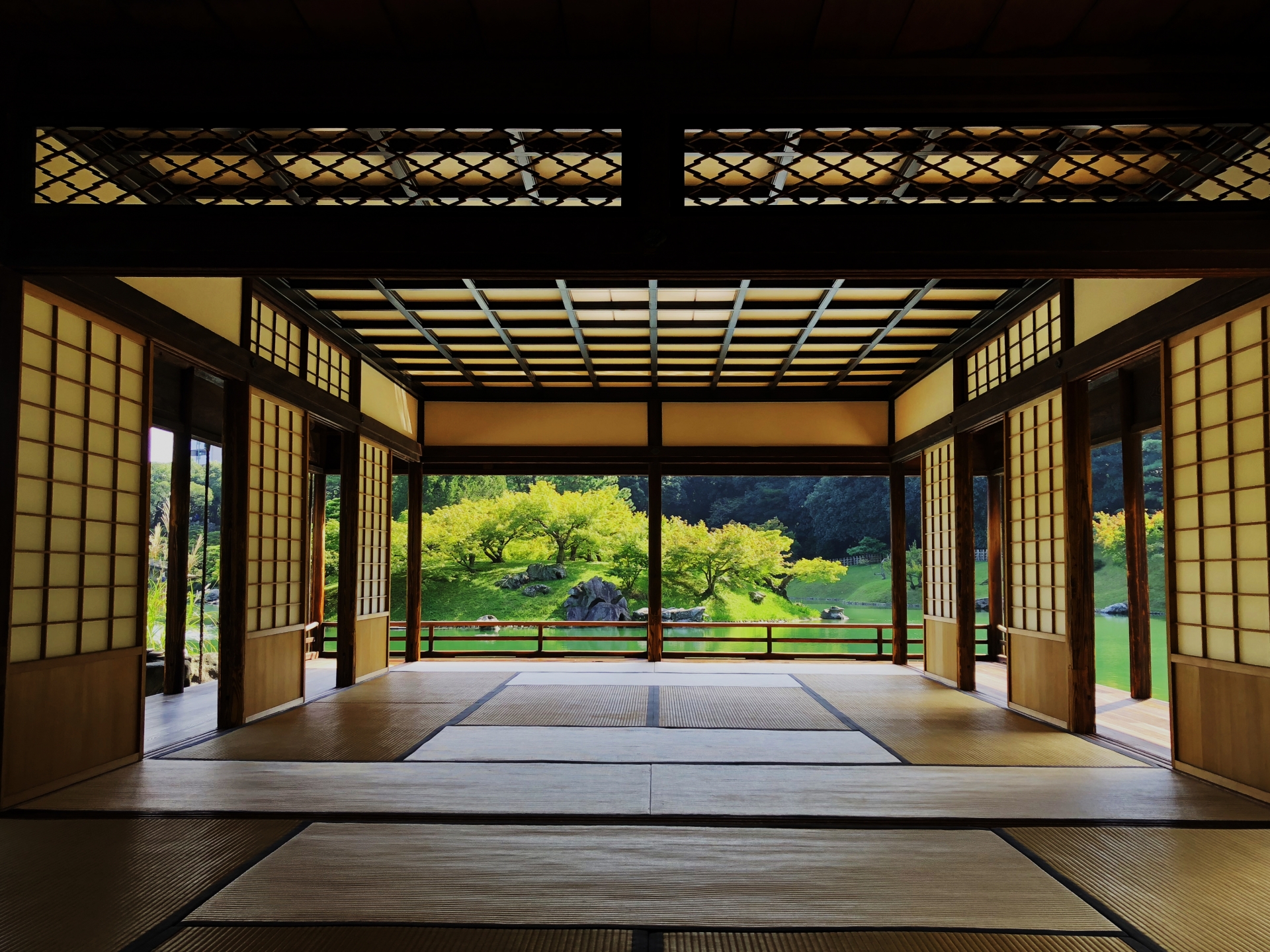
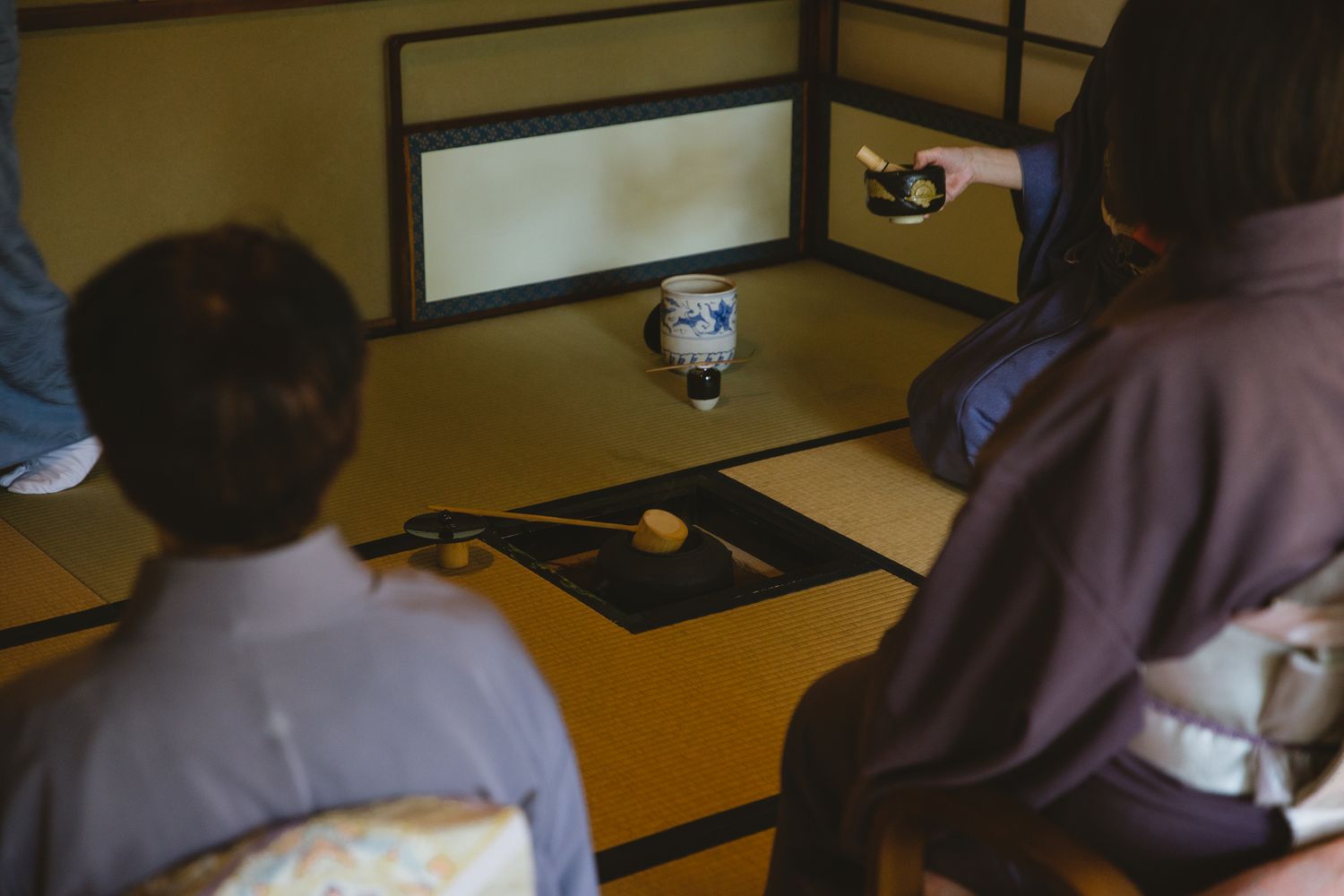
A traditional tea room can be remarkably spare. Tatami mats organize movement and seating. A tokonoma, or display alcove, may hold a hanging scroll and seasonal flowers. A kettle, tea container, whisk, scoop and bowl are selected not only for function but also for how they work together.
The route into the room matters, too. In some settings, a garden path called a roji creates a transition from ordinary activity to a more attentive pace. A low entrance found in certain small tea rooms asks guests to adjust their posture as they enter. These architectural details have histories and variations; they should not be treated as universal features of every tea space.
Here, the idea of ma—a meaningful interval or space—can be experienced rather than merely defined. A pause before a gesture, the distance between objects, or a moment of silence changes the atmosphere. The room is not empty of meaning because it contains few things.
What Happens During a Tea Ceremony?
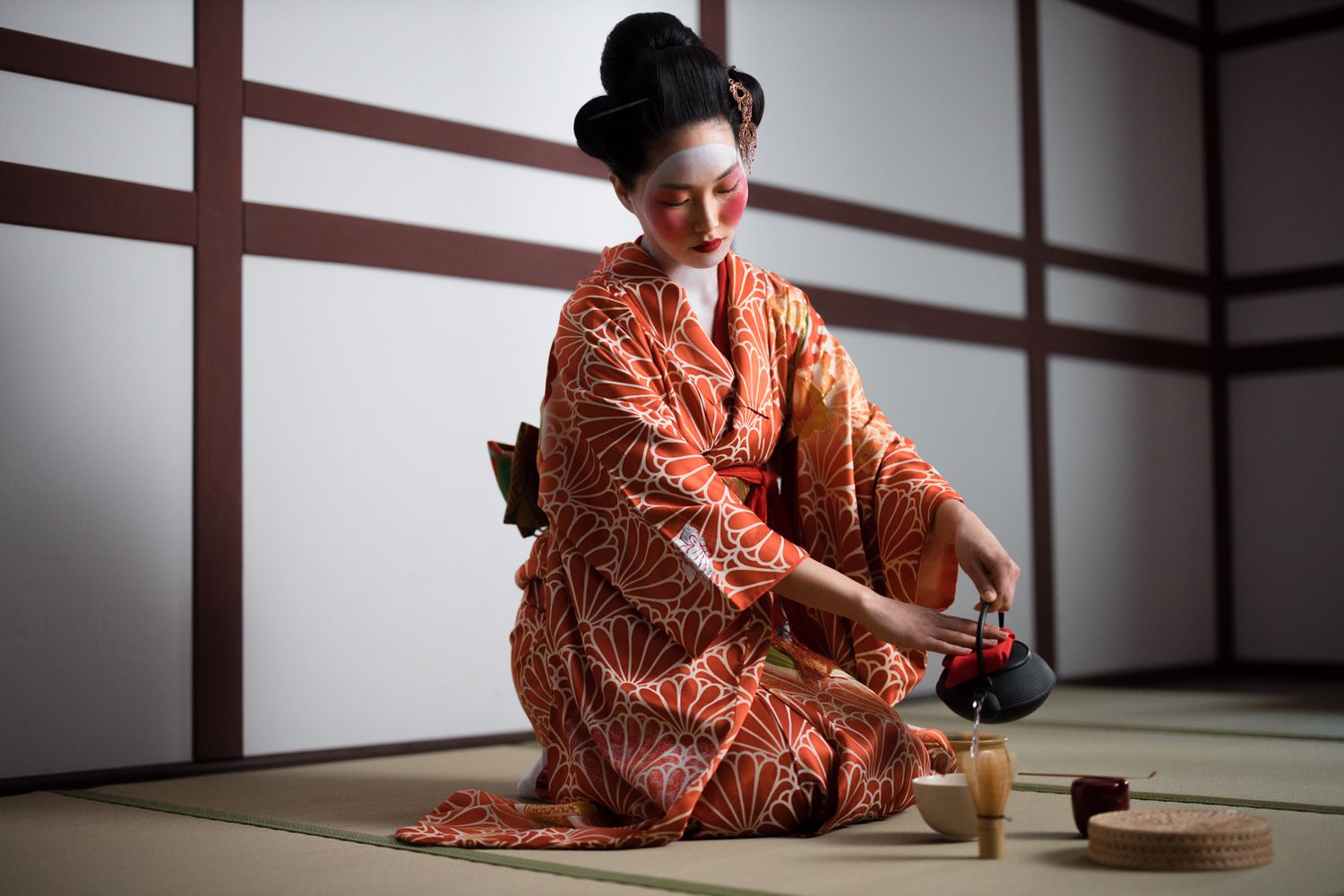
The exact order varies, but an introductory experience often begins with guests entering the room, observing its seasonal details and taking their places. A sweet may be served before matcha. The host prepares the tea with deliberate, practiced movements, then presents a bowl to a guest.
In many settings, guests bow in acknowledgment and follow simple instructions for receiving and drinking the tea. Some traditions include turning the bowl before drinking to avoid placing one’s lips on its principal decorative face. Afterward, guests may have an opportunity to appreciate the bowl and other utensils.
These actions are easy to mistake for a test of etiquette. They are better understood as a way of showing respect for the host, fellow guests and objects in use. A good introductory host will explain what to do, and small mistakes are rarely a problem. You do not need to memorize a sequence before attending.
One useful distinction is between usucha, a lighter preparation of matcha, and koicha, a thicker preparation used in more formal contexts. A tourist-friendly introduction will often serve usucha. That does not make the experience inauthentic; it simply reflects a different purpose and format.
The Meaning of Ichigo Ichie
The expression ichigo ichie is often translated as “one time, one meeting.” In tea culture, it points toward the uniqueness of an encounter: even when the same people meet in the same room again, the moment cannot be recreated exactly.
That awareness connects tea with broader Japanese reflections on time and transience, including mono no aware. But the two are not interchangeable. One describes a way of valuing a particular meeting; the other is a wider sensitivity to the poignancy of change.
In a tea gathering, the idea is practical. The host prepares for these guests, on this day, in this season. The guests respond by being present. The meaning is found less in repeating a famous phrase than in noticing what is actually happening.
How to Experience Tea in Japan
Kyoto is a natural starting point because of its long history of tea culture, but thoughtful experiences can also be found in Tokyo, Kanazawa and elsewhere. Rather than choosing only by the appearance of a room, look for a session that explains the utensils, seasonal choices and role of the host.
Choose the format that suits you
A short demonstration with a chance to prepare matcha yourself can be a welcoming first step. A small-group session may allow more conversation. A formal gathering offers greater depth but may require more time, advance arrangements and familiarity with the host’s expectations.
Ask what is included
Before booking, check whether the experience includes a live explanation in English, a sweet, the chance to drink or whisk matcha, and time for questions. Also check accessibility and seating arrangements: some venues use floor seating, while others can accommodate chairs. Photography rules vary, so ask before taking pictures.
Notice the details, not just the matcha
Look at the scroll, flower and bowl. Notice how the host moves and how the atmosphere changes when people fall quiet. If something interests you, ask why it was chosen. Those questions often lead to more memorable insights than trying to perform every gesture perfectly.
Tea Etiquette for First-Time Visitors
Courtesy matters, but there is no need to be anxious. Arrive on time, wear clean socks if you will remove your shoes, and follow the host’s guidance. Avoid strong perfume in an intimate tea room, where subtle scents are part of the experience. If you have dietary restrictions, ask about the sweets in advance.
During the gathering, silence can be meaningful, but it is not an absolute rule against conversation. In a guided introductory session, questions may be encouraged. Treat the utensils gently and avoid touching displayed objects unless invited.
Above all, remember that procedures differ among schools and hosts. Instructions offered in one room are not a universal script for every tea ceremony in Japan.
A Different Way to Understand Japanese Culture
It is tempting to leave a tea room with a list of symbols: the bowl stands for imperfection, the pause stands for emptiness, the flower stands for the season. Yet a tea gathering is more than a collection of meanings waiting to be decoded.
Its beauty lies in relationships—between host and guest, object and hand, room and garden, preparation and passing time. An ordinary bowl of tea becomes an occasion for noticing what has been chosen, what has been left out and what can happen only once.
What Makes a Tea Experience Worth Choosing?
A beautifully photographed tea room is not necessarily the best introduction to chanoyu. Look for evidence that the host will explain the gathering rather than simply provide costumes and a photo opportunity. A small group can make it easier to ask questions about the utensils, season and gestures, although larger demonstrations may still be worthwhile when thoughtfully led.
Read the programme description carefully. Does it distinguish between watching a demonstration and preparing matcha yourself? Is English interpretation available throughout the session or only in printed notes? Are you expected to sit on tatami, and can chairs be arranged if needed? These details matter more to the quality of your experience than a claim that the ceremony is uniquely authentic.
Common Questions Before Your First Tea Gathering
Do I need to wear a kimono?
Usually not for an introductory visitor programme, unless the organiser specifies a dress code. Comfortable, respectful clothing is generally appropriate. If you will enter a traditional room, clean socks are useful because shoes are commonly removed.
Is the tea always bitter?
Matcha has a distinctive flavour that depends on the tea, preparation and serving style. A sweet is often served before the tea in introductory gatherings, creating a deliberate contrast. Rather than judging the drink alone, notice how it fits into the sequence of the occasion.
Can I take photographs?
Policies vary. Some hosts allow photography at designated moments; others restrict it to preserve the atmosphere or protect the room and objects. Ask before taking pictures, and avoid interrupting the host’s movements or other guests’ experience.
What if I make a mistake?
Most beginner-oriented hosts expect visitors to be unfamiliar with formal procedures. Follow the guidance given in the room. Attention and courtesy matter more than trying to reproduce an etiquette sequence from memory.
Approached this way, a tea gathering is neither a performance to consume nor an examination to pass. It becomes an opportunity to notice how hospitality, craft, architecture and time meet in one carefully prepared experience.
For a traveller interested in Japanese art, architecture and culture, that is the lasting invitation of chanoyu: not merely to look at beauty, but to take part in an experience shaped by attention.
For a broader introduction to the ideas behind Japanese art and culture, read our guide to Japanese aesthetics.
Further reading: For further information about Japanese tea culture, its history and traditions, consult official sources and educational resources. Customs and procedures may vary depending on the tea school, host and occasion.