Wabi-Sabi: What It Really Means in Japanese Culture
Weathered wood. A tea bowl with an irregular rim. The changing surface of a stone.
Things like these may seem imperfect at first glance. In some Japanese artistic traditions, age, irregularity and restraint can contribute to the beauty of an object or place.
This is the world often described by the words wabi and sabi.
Outside Japan, “wabi-sabi” is sometimes reduced to a decorating style: neutral colors, handmade ceramics, minimalist rooms and deliberately imperfect objects.
But the idea is much deeper than an interior trend.
Its modern interpretation draws on changing ideas of beauty, tea culture and awareness of impermanence, although these connections have different histories and should not be treated as a single doctrine.
Wabi and Sabi Were Not Originally the Same Thing
Today, wabi and sabi are often spoken of together, but they developed as distinct ideas.
In the context of tea culture, wabi came to be associated with restrained, rustic beauty and a cultivated appreciation of simplicity.
Sabi has associations with age, weathering and a sense of quietness, particularly in artistic and literary contexts.
Neither simply means “old” or “imperfect.”
The more interesting idea is that time does not always diminish beauty.
Sometimes it creates it.
A wooden temple darkened by centuries of weather can possess a character that a newly constructed surface cannot reproduce.
A ceramic vessel may reveal the hand of its maker through an irregular form.
Materials change.
Surfaces fade.
Objects acquire histories.
In some artistic traditions, traces of time are deliberately preserved or appreciated rather than concealed.
The Tea Room Changed the Meaning of Luxury
One useful place to explore these ideas is the Japanese tea room. For background on the practice and its varied traditions, see our guide to the Japanese tea ceremony.
During the development of chanoyu, the way of tea, highly refined hospitality became associated not only with expensive objects but also with restraint.
A small room.
Natural materials.
A seasonal flower.
A carefully chosen ceramic bowl.
Very little may be present, yet nothing is accidental.
This produces a curious reversal of our usual idea of luxury.
Luxury does not have to mean more.
It can mean paying extraordinary attention to less.
The beauty of a tea bowl may lie in its texture rather than its symmetry. The atmosphere of a room may depend as much on shadow and silence as decoration.
What initially looks simple can contain an enormous amount of thought.
Wabi-Sabi Is Not About Making Things Look Old
This distinction matters.
Buying a distressed table or placing an irregular ceramic cup in a minimalist apartment does not automatically create wabi-sabi.
These historical ideas cannot be reduced to a checklist of visual features.
One way to approach them today is to consider how materials, time and change affect our experience of an object.
Something can be new and simple without being wabi. Something can be old without possessing sabi.
The point is not to manufacture imperfection.
It is to notice what happens when we stop demanding that everything remain flawless.
Impermanence and the Beauty of Change
Awareness of impermanence is one important thread in several Japanese artistic and religious traditions, although it does not explain them all.
Everything changes.
Buildings age.
Flowers fall.
Seasons pass.
People leave.
This does not necessarily make the world less beautiful.
Sometimes transience makes us look more carefully.
Cherry blossoms are an obvious example. Their cultural power comes partly from the fact that the spectacle lasts such a short time.
The same sensitivity can appear in quieter places.
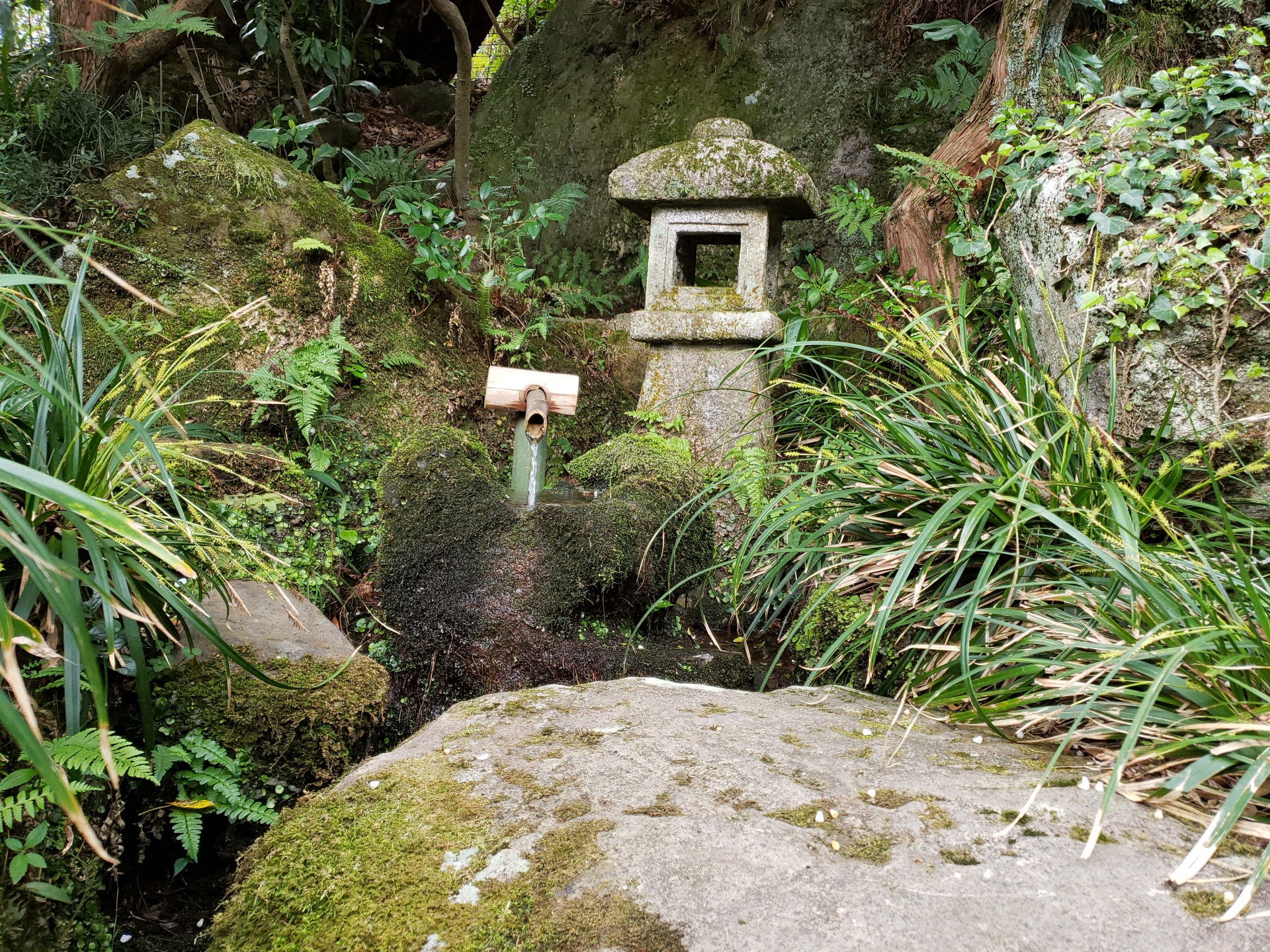
Moss spreading across a stone.
Wood faded by sunlight.
A garden changing after rain.
The marks left on an object after years of use.
Thinking about wabi and sabi can remind us that beauty and the passage of time are not always separate.
Where Can You Notice Wabi-Sabi in Japan?
You will rarely find a sign at a temple saying, “This is wabi-sabi.”
That is precisely why the idea becomes interesting while traveling.
You begin to notice it rather than simply visit it.
In a Tea Room
Look closely at the utensils.
A tea bowl may be asymmetric or textured. Flowers may be arranged with remarkable restraint. The room itself may appear almost empty.
Instead of asking whether an object looks expensive, ask why this particular object was chosen for this particular moment.
In Historic Architecture
Japan’s historic wooden buildings are especially interesting when you pay attention to materials.
Look at pillars, floors, doors and thresholds.
Some surfaces reveal decades or centuries of contact with weather and people.
Age becomes visible.
In a Garden
Japanese gardens vary greatly in design and maintenance, but some invite attention to weathering and seasonal change.
Moss, stone and fallen leaves can contribute to a garden’s atmosphere as the seasons change.
Try looking beyond the flowers.
In Ceramics
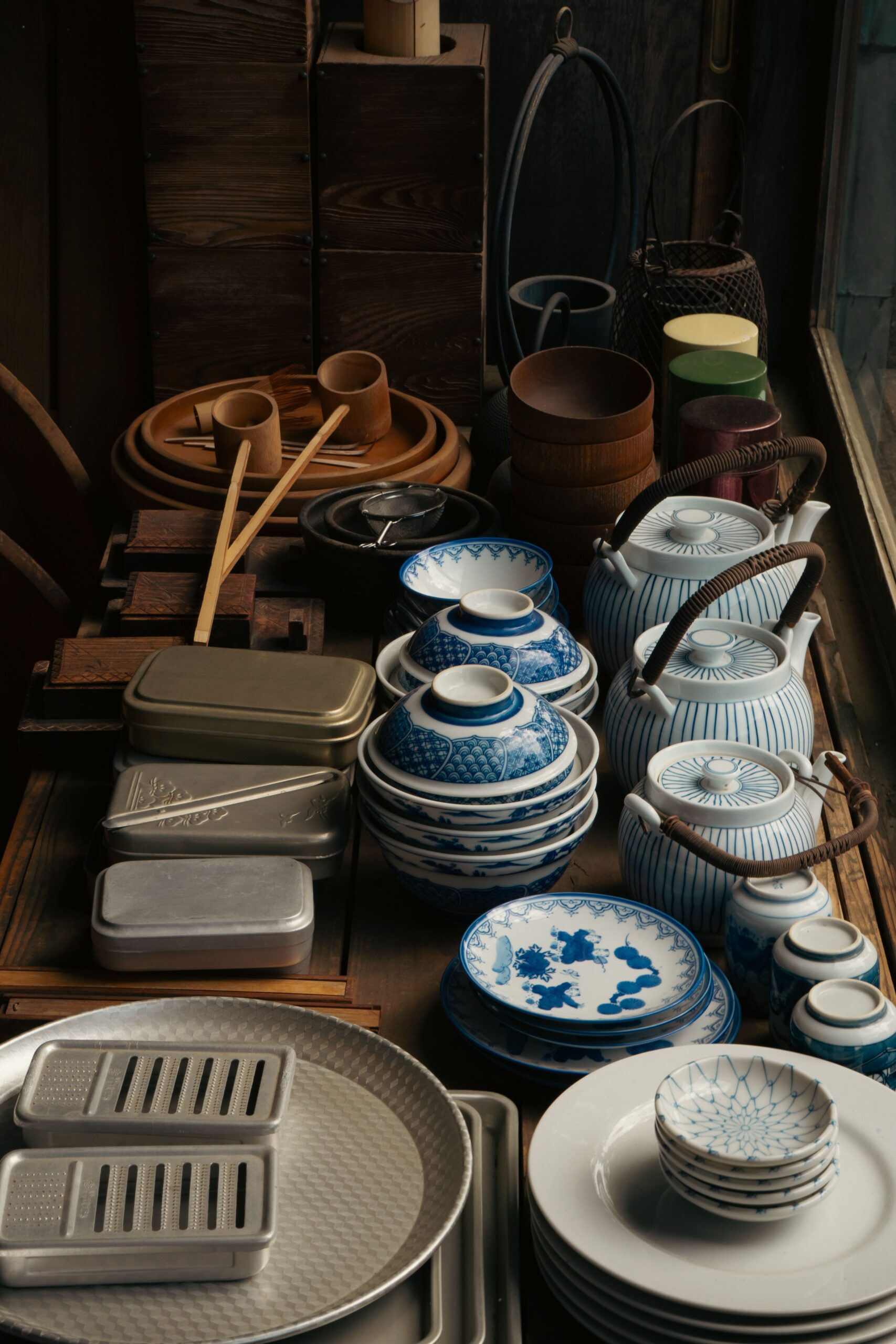
Visit a pottery town, craft gallery or even a small local shop and compare handmade vessels.
Instead of searching for the most perfectly shaped piece, notice differences in glaze, texture and form.
The object begins to feel less like an identical manufactured product and more like an encounter between material and maker.
Wabi-Sabi and Modern Japan
It is tempting to imagine wabi-sabi as a philosophy belonging only to old Japan.
Modern Tokyo offers a useful counterpoint to that idea.
Japan can be polished, commercial, brightly illuminated and technologically sophisticated.
Convenience stores are precise. Trains are meticulously maintained. New buildings rise beside old wooden houses.
Wabi-sabi is therefore not a rule explaining everything Japanese.
It is one strand within a much more complicated culture.
That contrast is worth remembering.
Japan is interesting partly because contrasting aesthetic preferences coexist.
Precision and irregularity.
Newness and age.
Abundance and restraint.
Neon and shadow.
How Wabi-Sabi Can Change the Way You Travel
You do not need to become an expert in Japanese aesthetics before visiting Japan.
Simply try changing what you pay attention to.
Instead of photographing only the spectacular temple, look at its wooden doors.
Instead of searching only for the perfect cherry blossom view, notice the petals already falling onto the ground.
Instead of treating an old surface as something that should have been replaced, consider what its age tells you.
Wabi and sabi resist simple translation because their meanings depend on historical and artistic context.
They can also offer a way of noticing.
Looking Beyond the Wabi-Sabi Label
Wabi-sabi is not a reason to romanticize damage or neglect. A historic building still needs conservation, and a cherished vessel may need careful repair. Nor is it the single key to Japanese culture: elaborate decoration, technical precision and bright colour have their own rich histories.
Sen no Rikyū is central to the history of restrained tea practice, but that culture was shaped by many teachers, patrons and craftspeople. Its objects were chosen with knowledge and care, not simply because they appeared imperfect.
A Question to Take With You
When you encounter an old object, look closely at its material. Which marks come from the maker, and which from years of use? What has been repaired or preserved? Does its history change the way you see it?
Rather than searching for a perfect example of wabi-sabi, approach each place and object with curiosity about its purpose, making and care. For a broader introduction, explore our guide to Japanese aesthetics.